

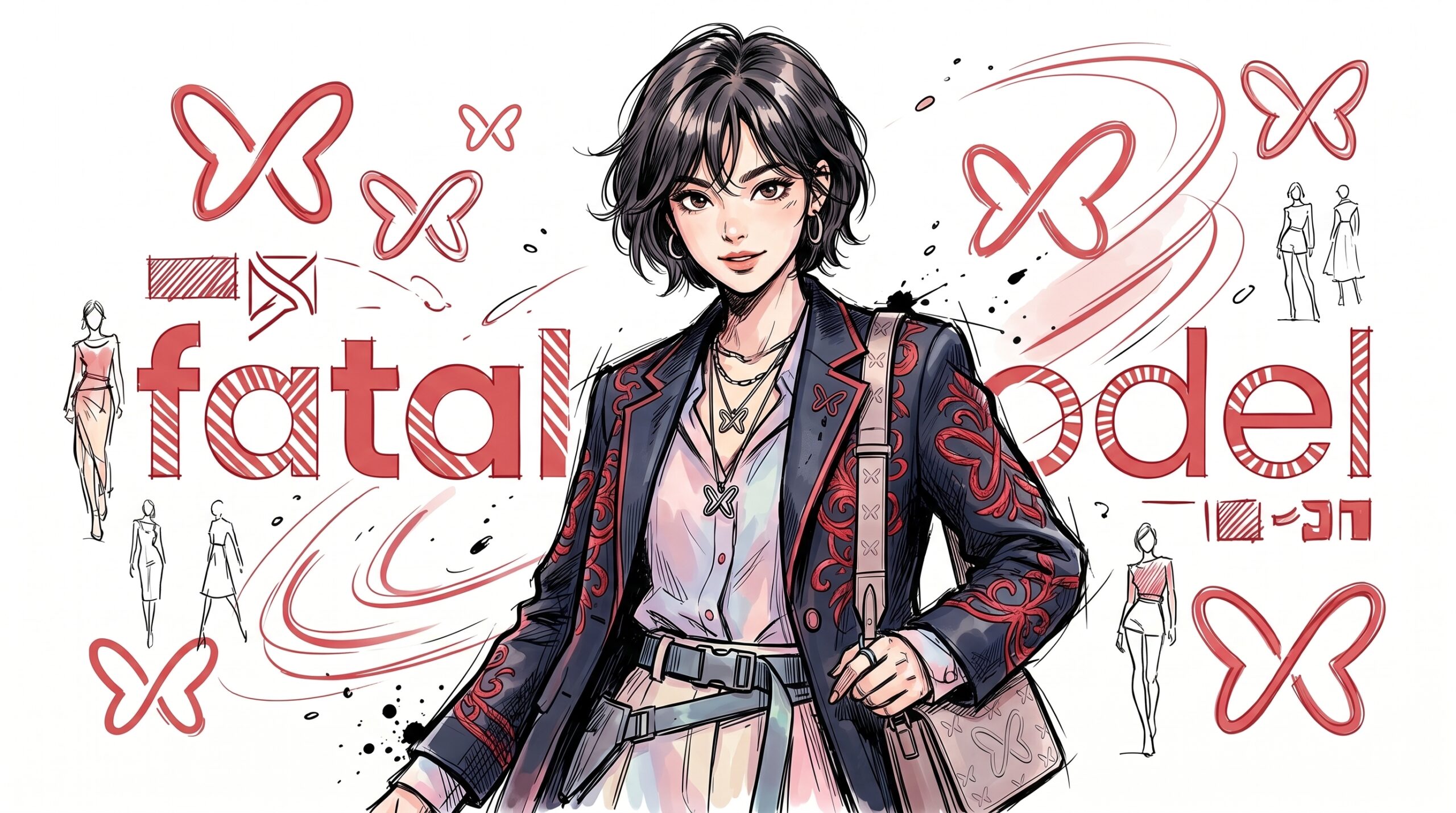
A character smiles, stumbles, tries too hard, or protects someone with pure sincerity—and suddenly the comments explode. That reaction is what many fans mean by fatal moe: a cuteness so emotionally powerful that it feels “dangerous” in the most playful, fandom-driven sense.
The phrase is not a medical term and should not be read literally. Instead, it belongs to anime, manga, games, and online fan culture, where exaggeration is part of the fun.
This guide explains fatal moe clearly, from its roots and visual cues to healthy fandom boundaries and creator ethics.
What fatal moe Means
Fatal moe describes a character, scene, design, or personality trait that feels overwhelmingly adorable, charming, vulnerable, or emotionally disarming.
The “fatal” part is usually comic exaggeration. Fans may say they were “destroyed” by a blush, a shy confession, a clumsy gesture, or an unexpectedly brave moment.
The “moe” part comes from Japanese fan language. It often refers to a warm feeling of affection toward fictional characters, especially when they show innocence, earnestness, awkwardness, or emotional softness.
For scale, the Association of Japanese Animations reported that Japan’s anime market reached about ¥3.3465 trillion in 2023, showing how far anime language and fan terms now travel globally.
fatal moe vs. ordinary cuteness
Ordinary cuteness can be simple: a nice design, a sweet voice, or a funny expression.
By contrast, fatal moe usually hits harder because it combines cuteness with emotional timing. The character is not just adorable; the moment makes the viewer feel protective, amused, surprised, or deeply attached.
Here is the simple difference:
- Cute: “That character looks adorable.”
- Moe: “That character makes me feel attached.”
- Fatal-level moe: “That tiny gesture emotionally knocked me out.”
Where fatal moe Came From in Fan Culture
Fatal moe grew from the broader idea of “moe,” a term that became strongly associated with anime and otaku communities in the 1990s and 2000s.
The word “moe” is often linked to feelings of emotional warmth rather than only physical attractiveness. It can describe affection for a character’s personality, habits, vulnerability, or narrative role.
Then, online fandom added dramatic language. Fans started using words like “dead,” “destroyed,” “slain,” and “fatal” to describe emotional reactions to scenes they loved.
This kind of fan slang spreads quickly because fandom is now highly social. DataReportal estimated 5.04 billion social media users worldwide in January 2024, creating a huge environment for niche expressions to become visible.
Why the phrase feels natural online
Fan communities love shorthand. A phrase like fatal moe compresses a full emotional reaction into two words.
Instead of writing a long explanation, a fan can use the phrase to say:
- The character is adorable.
- The timing is emotionally perfect.
- The scene created a strong reaction.
- The viewer feels protective or overwhelmed.
- The moment will likely be clipped, shared, or memed.
As a result, the phrase works especially well in comments, reaction posts, fan edits, reviews, and episode discussions.
Why fatal moe Works Emotionally
The strongest fatal moe moments usually combine design, behavior, and story context.
Cuteness alone may attract attention, but context creates attachment. A shy character finally speaks up. A cold character shows kindness. A capable hero reveals an awkward hobby. These contrasts make the viewer feel closer to the character.
Psychology helps explain the effect. In a 2012 study published in PLOS ONE, researchers found that viewing cute baby animal images improved performance on a fine-motor task by 44.9%, suggesting that cuteness can sharpen attention and care-oriented behavior.
That does not mean anime characters “control” viewers. However, it does show that cute imagery can produce measurable emotional and behavioral responses.
Emotional triggers behind the reaction
The reaction often comes from a mix of traits rather than one single feature.
Common triggers include:
- Vulnerability: The character reveals fear, embarrassment, or uncertainty.
- Earnestness: They try their best without irony.
- Contrast: A tough character shows softness.
- Small gestures: A blush, pause, bow, or nervous laugh lands perfectly.
- Protective instinct: The audience wants the character to be safe.
- Growth: The moment shows real development, not empty cuteness.
When these elements line up, fatal moe can feel stronger than a standard comedy beat or romantic scene.
How to Recognize fatal moe in Anime, Manga, and Games
You can spot fatal moe by watching the audience reaction as much as the character.
If viewers pause, screenshot, quote, replay, or flood comments with exaggerated emotional language, the scene likely has that effect. The reaction is part of the definition.
The Japanese animation industry produced hundreds of titles across TV, film, streaming, and video formats in recent years. With such volume, specific character hooks help shows stand out in a crowded field.
Visual and performance cues
Creators often use recognizable techniques to create a strong moe reaction.
These may include:
- Soft facial expressions that reveal honesty or embarrassment.
- Gentle voice acting with pauses, stammers, or sudden excitement.
- Oversized emotional reactions that feel sincere rather than forced.
- Costume details that reflect personality, not just decoration.
- Body language such as fidgeting, hiding, bowing, or leaning away.
- Quiet close-ups that let the viewer sit with the feeling.
Still, fatal moe works best when these cues support character truth. If the scene exists only to manipulate viewers, the effect can feel hollow.
Story cues that make the effect stronger
Story context matters more than a single expression.
For example, a shy apology after a major mistake can feel more powerful than a random cute pose. A character protecting a friend despite being scared can land harder than a costume change.
The best moments usually reveal something new:
- A hidden insecurity.
- A private kindness.
- A soft side behind confidence.
- A sudden burst of courage.
- A sincere wish to be understood.
Because of this, the phrase often overlaps with strong character writing.
fatal moe in Anime, Manga, and Games
Fatal moe appears across many types of media, not only romantic comedy or slice-of-life anime.
You can find it in fantasy, idol stories, school comedies, action series, visual novels, mobile games, rhythm games, and manga. The style changes, but the emotional mechanism remains similar.
In games, the effect can be even stronger because players spend time making choices, unlocking dialogue, and building attachment. Newzoo estimated the global games market generated about $184 billion in 2023, which helps explain why character-driven emotional design has become so valuable.
How games use fatal moe
Games often build the reaction through repetition and reward.
A character may greet the player, react to gifts, show new voice lines, or reveal backstory through bond levels. Over time, small interactions become emotionally meaningful.
This is why players may react strongly to simple moments. A birthday line, battle victory pose, or nervous confession can feel personal after hours of play.
However, responsible game design should avoid pressuring players through guilt, manipulation, or exploitative spending loops.
Common character types associated with the reaction
No single archetype owns the phrase, but several types often create it:
- The shy but determined student.
- The stoic warrior with a soft habit.
- The clumsy genius who overthinks everything.
- The tiny mascot with surprising bravery.
- The proud rival who secretly cares.
- The cheerful healer hiding sadness.
- The awkward friend who finally says what they feel.
Rather than labeling every cute character as fatal moe, look for emotional impact. The strongest examples combine charm with memorable writing.
Healthy Boundaries When Enjoying fatal moe
Fans can enjoy fatal moe while keeping a clear boundary between fiction and real life.
Strong attachment to fictional characters is common. It can be comforting, creative, and socially bonding. Problems begin when the attachment replaces sleep, relationships, work, school, or emotional self-care.
Pew Research Center reported in 2023 that 46% of U.S. teens said they use the internet “almost constantly.” That matters because intense online fandom can easily become all-day exposure.
When fatal moe stops being fun
The reaction should feel playful, not distressing.
Take a step back if a character or fandom space causes:
- Sleep loss.
- Constant comparison to real people.
- Anxiety over missing updates.
- Overspending on merchandise or gacha pulls.
- Hostility toward other fans.
- Shame, isolation, or emotional dependence.
If that happens, mute tags, set app limits, talk with friends offline, or seek support from a mental health professional.
How to enjoy the trope safely
A healthy fan approach is simple: love the character, respect the community, and stay grounded.
Try these habits:
- Save favorite scenes without doom-scrolling for hours.
- Budget for merch before buying.
- Separate character affection from real relationship expectations.
- Avoid harassment over ships, rankings, or interpretations.
- Support creators through legal platforms when possible.
That balance lets fans enjoy the feeling without letting it take over.
Creator Checklist for Writing fatal moe
Good fatal moe comes from empathy, not exploitation.
A creator should ask why the audience feels attached. If the answer is only “the character looks small, helpless, or embarrassed,” the writing may be shallow or uncomfortable.
Better character work gives the person agency, goals, flaws, and growth. The audience should care because the character feels alive, not because the story strips away dignity.
Accessibility also matters. The World Health Organization estimates that 1.3 billion people, or about 16% of the global population, experience significant disability. Character design and storytelling should avoid reducing disabled, neurodivergent, or vulnerable characters to one-note cuteness.
Practical writing rules
Use this checklist before publishing a scene:
- Give the character a goal beyond being adorable.
- Let them make meaningful choices.
- Avoid sexualizing characters coded or stated as minors.
- Treat embarrassment as human, not humiliating.
- Balance vulnerability with competence.
- Make comedy affectionate rather than cruel.
- Use fatal moe as an emotional result, not a substitute for story.
When creators follow these principles, the audience response feels earned.
What separates strong writing from cheap pandering
Cheap pandering repeats the same cute signals without development.
Strong writing changes the audience’s understanding of the character. A small gesture matters because viewers know what it cost, why it happened, and how it connects to the story.
That is why memorable scenes often outlast designs. Fans may remember a blush or nervous smile, but they keep returning because the moment revealed heart.
FAQ About fatal moe
Search questions around anime slang are common because terms spread faster than explanations. DataReportal counted 5.35 billion internet users worldwide in January 2024, which helps explain why fandom phrases can appear everywhere before their meanings are clear.
What does fatal moe mean?
It means a character or scene feels so intensely cute, charming, or emotionally disarming that fans jokingly describe it as “fatal.” The phrase is figurative, not literal. It usually appears in anime, manga, gaming, and online fandom spaces when a moment creates a strong protective, amused, or affectionate reaction.
Is this an official anime genre?
No. It is not an official genre like shonen, shojo, seinen, romance, or slice of life. It is better understood as a fan reaction or descriptive label. A fantasy action show, school comedy, idol anime, or mobile game can all contain moments that fans describe with this phrase.
Why do anime fans use the phrase fatal moe?
Fans use fatal moe because it quickly communicates an exaggerated emotional reaction. Online fandom often uses playful drama, such as “I’m dead” or “this destroyed me,” to express delight. The phrase works because it combines the Japanese fan concept of moe with the internet’s love of over-the-top reaction language.
What are good examples of this kind of character?
Good examples are characters whose charm comes from personality and story context: a shy hero showing courage, a serious rival revealing kindness, or a clumsy friend trying sincerely to help. The key is not just visual cuteness. The moment should make viewers feel attached because it reveals something honest.
Can the trope be harmful or inappropriate?
It can be if creators rely on humiliation, infantilization, or sexualized vulnerability, especially with underage-coded characters. It is usually harmless when treated as affectionate fan language for sincere charm. The healthiest use respects character dignity, keeps fiction separate from real life, and avoids harassing others over interpretations.
Conclusion: fatal moe as a Powerful Fan Reaction
Fatal moe is best understood as a playful fandom phrase for cuteness with emotional force. It is not just about big eyes, soft colors, or shy behavior; it is about timing, sincerity, contrast, and attachment.
The phrase matters because anime and game fandoms are global, creative, and highly social. With the anime market reaching about ¥3.3465 trillion in 2023, fan language like this will only keep traveling.
Use the term with context, enjoy the characters you love, and keep your fandom habits healthy. If this guide helped, share it with a fan who keeps saying a character “destroyed” them—in the cutest possible way.
